Pregnancy is a beautiful time in a woman’s life, but it’s also a time of physical and emotional change. Here’s a practical list of self-care tips to help expecting mothers during this time.

Nothing brings more changes in a woman’s life than a pregnancy!
While you can’t help but think of all of the changes happening, if you’re an expecting mother, you may find yourself struggling with your self-care, especially with all the demands pregnancy can bring.
So, if you’re someone who already serves or cares for others, I have a special message for you:
Taking care of yourself during pregnancy is the best way to serve and care for your unborn baby. It feels like you’re serving yourself, but the self-care you provide to your mind, body, and soul is what serves your little one in utero the most.
My Life Nurse
Need some help finding time to take better care of yourself? Get your FREE copy of the Self-care Starter Guide HERE!

The Importance of Self-care During Pregnancy
Prioritizing your self-care during your pregnancy isn’t just about finding ways for you as an expectant mom to reduce stress or relax more often.
Several medical studies suggest that pregnancy self-care can extend the length of the pregnancy and reduce the incidence of pre-term birth and complications.
<NIH source>
Self-care during pregnancy is about giving your baby the greatest chance to be healthy throughout their entire life.
That’s why it’s essential to implement pregnancy self-care practices as soon as you can. Using this list of 10 self-care tips for expecting mothers can make it easier to start taking better care of yourself.
If you start prenatal care early, intentionally focus on the nutritional needs of your baby, take prenatal vitamins, and balance your stress, activity, and rest, you’ll be on the right path! And the good news is, for most women, these essential pregnancy self-care activities take only a few simple lifestyle changes.
If you’ve just discovered you’re pregnant, you may not have given any thought to why your self-care is so important or exactly how to self-care during pregnancy.
Don’t worry, it’s common!
For many pregnant women, early pregnancy is the first time they start focusing on how they care for themselves (At least it was for me – that’s why I’ve compiled this list of self-care tips for expecting mothers).
This article contains science-based pregnancy self-care tips to help you care for yourself and your growing baby. The activities on this list are perfect pregnancy tips for first-time moms, but these pregnancy self-care ideas are also beneficial for moms who have been pregnant before!
For convenience, click on the quick links to go to your topic, or you can read the entire post.
Self-care During Pregnancy Definition
10 Self-care Tips for Expecting Mothers
- Start Prenatal Care Early
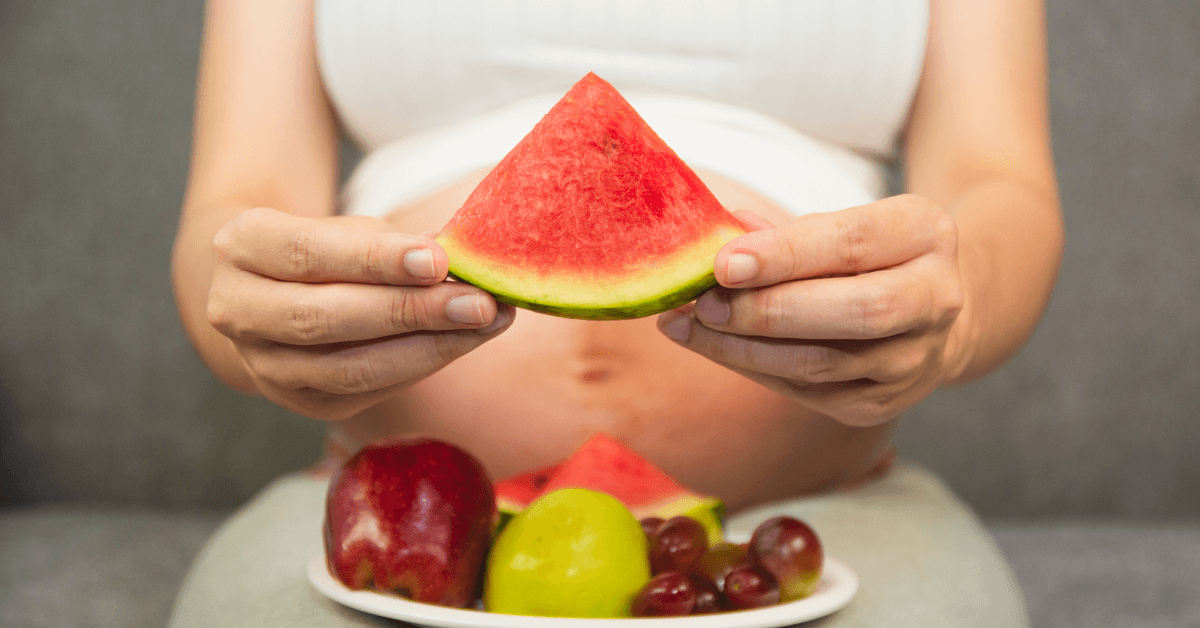
- Nutritional and Diet Self-Care During Pregnancy
- Take Prenatal Vitamins
- Stay Active
- Adequate Rest
- Manage Common Pregnancy Discomforts
- Create a Self-care Pregnancy Kit (Includes a List of Pregnancy Self-care Gift Ideas for Pregnant Moms)
- Know When to Call a Healthcare Provider
- Eliminate Alcohol and Nicotine
- Limit Risk Exposure
Self-care During Pregnancy Definition
A perfect starting place is defining what self-care during pregnancy actually is:
Pregnancy self-care is the way you care for yourself (and your baby) during pregnancy.
Prenatal care (the healthcare you and your baby should get while you are pregnant) is a core component of the self-care you should implement when you become pregnant.
My referral and affiliate links are below. If you click through & make a purchase, I may receive a commission at no additional cost to you. My full disclosure can be viewed for details.
Looking for a way to stay motivated about taking better care of yourself? Check out my Bible study by clicking HERE or on the image!

10 Self-care Tips for Expecting Mothers
When you first discover you’re pregnant, the first question in your mind may be, “What do I need to buy myself during this pregnancy?”
That probably makes sense if you’re thinking about the cost of having a baby (BTW – I do list what to buy in #7 below).
But the truth is the best tips for pregnancy care are about what you do and how you take care of yourself and your baby, and while that absolutely includes obtaining prenatal care for you and your baby, a list of practical pregnancy self-care tips should also include the other essential self-care activities that promote a healthy pregnancy.
Listed below are 10 self-care tips for expecting mothers to put into practice for the greatest chance of having an uncomplicated pregnancy and a healthy baby.
1 Start Prenatal Care Early – The Most Essential of the 10 Self-care Tips for Expecting Mothers
To help provide your baby with a great start to their life, call your healthcare provider and schedule your first prenatal visit as soon as you find out you’re pregnant. Starting prenatal care early ensures you and your baby can receive the right pregnancy care at the right times. (Often the earliest opening is a few weeks out, so the sooner you call, the sooner you can get scheduled which ensures timely care.)
Prenatal care generally includes checkups with a healthcare provider who is specially trained in pregnancy as well as providing standard pregnancy screenings, testing, and ultrasound imaging results.
I wasn’t familiar with the pregnancy screenings so I’ve listed several of them here. It’s not necessary to memorize the lists of screenings and tests below, rather my hope is that you see how incredibly valuable prenatal services are to having a healthy pregnancy and baby.
Prenatal Screenings During Pregnancy
Every woman has specific tests during pregnancy.
In addition, some women, depending on their age, family history, or ethnicity, may undergo additional testing.
Screenings identify irregularities and risks to determine who would benefit from further diagnostic testing and genetic counseling. An abnormal screening test result does not always mean there is a definite problem with the fetus. Instead, it means more information is needed.
Many screenings are done in the first trimester and may include:
- Routine lab tests – CBC, blood typing, Rh factor
- Genetic lab tests
- Urinalysis and culture
- Specific disease screenings like rubella, TB, STIs, HIV, hepatitis B, and hepatitis C
Screenings done later in pregnancy may include:
- Glucose screening tests
- Group B Streptococcus (GBS)
(If you want to read more on prenatal screenings, more information about non-invasive prenatal testing, ultrasound imaging, and diagnostic tests can be found in the FAQ section at the end of the post.)
2 Nutritional and Diet Self-Care During Pregnancy
Getting the proper nutrition is another one of the most important self-care tips for expecting mothers. But, thankfully, good nutrition doesn’t have to be expensive (get a free printable list of the foods I list below in this related post).
Macro and micronutrients (which are fat, protein, and carbohydrates, as well as vitamins and minerals) provide the most significant opportunity for a healthy pregnancy and offer:
- Health for you (mom) and baby while your baby is in utero
- More energy for your increasing energy needs
- Prevention of childhood behavior issues
- Your baby has a better chance for a healthy adult life thru chronic disease prevention
Here is a list of more familiar (and healthy!) foods to include as part of your pregnancy self-care nutritional plan and what nutrients they provide.
- Dairy – Milk, Greek yogurt (probiotic bacteria). Protein & calcium, phosphorus, various b vitamins, magnesium, and zinc.
- Legumes – Lentils, beans, peas, chickpeas, soybeans, and peanuts. Protein, fiber, iron, folate, and calcium.
- Orange and brightly colored produce – Sweet potatoes, carrots, squash, cantaloupe, apricots, spinach & kale, and berries of all varieties. Fiber, beta carotene, and vitamin A.
- Avocados – Monounsaturated fatty acids, high in potassium, copper, vitamins E and C, and folate.
- Salmon – Rich in omega 3 acids & vita D *Talk to your healthcare provider regarding the limit of 2-3 meals a week due to mercury and other contaminants.
- Eggs – Choline.
- Broccoli and dark, leafy greens – Vitamins C, K, and A, calcium, iron, folate, potassium, antioxidants, and fiber.
- Lean meats – Beef, pork, and chicken. Iron, choline, and other vitamin B vitamins.
- Whole grains – Oats, quinoa, brown rice. Fiber, vitamins and protein, vitamin B, magnesium.
- Dried fruit is good for snacks – watch portions. Vitamins.
- Olive oil – Chia seeds, flaxseed, pumpkin & sunflower seeds. Healthy fats.
The recommended rate of weight gain during pregnancy is:
- 1 to 4 pounds in the first 3 months
- 2 to 4 pounds each month from 4 months until delivery.
The current recommendation is for women to gain between 25-35 pounds during pregnancy to provide nutrition to the baby for proper development. Statistics show only 32% of weight gain during pregnancy is within normal limits.
Almost half (48%) of weight gain in the U.S. is above the recommendation. So, you do need to pay attention to how much you eat.
Eating more vegetables is a critical part of getting the proper nutrition, and this may be hard to consider but even if you think you hate eating vegetables you can learn to tolerate or even enjoy eating vegetables.
Good calories with weight gain can prevent the development of extra fatty tissue, and delay or prevent gestational diabetes development (GDM).
<source>
Typically, pregnant women will need:
- 340 additional calories per day during the second trimester
- 450 extra calories a day in the third trimester
The additional calories may look like one extra meal or three extra 100-calorie snacks:
Meal Examples:
- A lean meat, vegetable, fruit, and grain serving
- Or a small, fast-food hamburger and child-size fry
Snacks Examples:
- 1 mandarin + 1 mozzarella cheese stick
- Or 2 small chocolate chip cookies
3 Take Prenatal Vitamins
Eating a healthy diet is the best way to get the vitamins and minerals you need during pregnancy. But if fall short on the key nutrients, prenatal vitamins are another essential component of this list of self-care tips for expecting mothers.
The best time to start taking them is at least 3 months before conception, however, it’s never too late to start.
Many brands of prenatal vitamins are available over the counter, but your doctor may also recommend something specific to meet your individual needs.
Prenatal vitamins are essential during pregnancy because they contain more folic acid and iron.
- Folic acid helps to prevent neural tube defects which are serious abnormalities of the fetal brain and spinal cord.
- Iron supports the development of the placenta and fetus. Iron helps your body make blood to supply oxygen to the fetus. <source>
Prenatal vitamins are crucial to proper fetal development during pregnancy.
4 Activity and Exercise Self-Care
Activity and exercise are usually self-care activities that most people ignore during pregnancy. As with the general population, the percentage of pregnant women who get enough (or any) activity is low (less than 33%).
Pregnant women should get 30 minutes a day of light to moderate activity.
But most of us make it more difficult than it needs to be (because most of us don’t like to exercise!
A daily walk can be an effective and easy starting place for pregnancy activity.
Walking, swimming, or yoga is recommended to help maintain proper weight, reduce backaches, leg cramps, and bloating, and reduce the risk of gestational diabetes.
Pregnant women should also:
- Stay with low-risk injury activities
- Drink plenty of fluids before, during & after exercise
- Stop exercising if they feel dizzy, short of breath, tired, or sick to their stomach

5 Self-Care to Balance Rest & Activity
Learning to balance rest and activity during pregnancy is another significant self-care activity.
But, some women find it difficult to find time to rest.
So, I encourage you to work hard to get at least 7-8 hours of sleep and to nap as needed.
Relaxation Activities
Relaxation and stress management are large components of rest so try to engage in more relaxation activities during pregnancy.
Some suggestions to reduce stress during your pregnancy may include:
- Listening to music
- Sitting quietly in prayer or working through a Bible study
- Exploring your attitudes about motherhood and pregnancy
- Journaling your prayers during your pregnancy
- Talking to and caressing the fetus in utero
- Resting with your eyes closed
- Reading something uplifting and encouraging
Rest will look different to everyone.
The take-home point is to work on increasing your time spent resting or doing relaxing activities so you can effectively manage your stress.

6 Manage Common Pregnancy Discomforts – The Most Soothing of the Self-care Tips for Expecting Mothers
There are many changes during pregnancy, so your pregnancy self-care will also change as your pregnancy progresses.
Your self-care during early pregnancy will likely focus on setting up healthy self-care routines to use during the first trimester changes (and discomforts), then you’ll adapt those self-care routines throughout the rest of your pregnancy.
Every pregnancy is unique (even for one person who has more than one pregnancy) so it can be difficult to tell the difference between normal pregnancy discomforts and abnormal warning signs to report to your healthcare provider. Be sure to speak to your provider at every prenatal visit to determine the warning signs and symptoms to report during that time in your pregnancy.
If you’re like most women who have just discovered they’re pregnant for the first time, you might be wondering “How do I pamper myself in early pregnancy?”
That answer is simple!
Pamper yourself in pregnancy by giving yourself whatever you need to be more comfortable.
Here’s a list of common pregnancy discomforts and what to do to self-soothe at home.
Remember, if you have any concerns, call your healthcare provider or 911 as you deem appropriate.
Self-care to Manage Common Discomforts During Early Pregnancy (in the First Trimester)
Nausea and Vomiting
It’s not uncommon to experience nausea and vomiting in the first 13 weeks and 6 days. Many people call it morning sickness, but the symptom can happen any time of the day. Often the nausea is attributed to rising levels of human chorionic gonadotropin hormone (HCG), which rises through the first trimester.
Self-care for nausea and vomiting during pregnancy:
- Eating small, bland meals more frequently
- Eat ginger (ginger lollipops, ginger ale, ginger tea, adding fresh ginger to food, even supplements can be helpful)
- Drink chamomile tea
- Wear an anti-nausea wristband
- Try smelling peppermint <source> or lemon <source> which have been proven to be effective to reduce nausea and vomiting in pregnant women
Call your healthcare provider, or go to an urgent care or emergency room if you aren’t able to eat or drink for 24 hours.
Fatigue
Extreme fatigue is common and is related to a rise in the hormone progesterone.
Self-care for fatigue during pregnancy:
Make getting enough sleep your number one priority. Take naps when you can and work hard to get at least eight hours of sleep per night. Implement a relaxing sleep hygiene routine so you can wind down and relax before going to bed.
Try drinking chamomile tea, spending time in prayer, or reading before you go to bed.
Call your healthcare provider if you feel like you can never get enough rest to get through a normal day.
Bleeding and Spotting
It is normal to have light bleeding and spotting during the first trimester. The rising hormone levels can cause the cervix surface to be more prone to bleeding even with a light touch. It usually doesn’t signal a pending miscarriage.
Self-care for bleeding and spotting during pregnancy:
Wear a pad and track the volume of bleeding, the color (bright red vs brown), and consistency (clots or smooth). Also, record any related symptoms that occur when you notice the bleeding.
Call 911 or go to the emergency room if the bleeding soaks a pad, you have intense cramping or severe abdominal pain.
Other Common First Trimester Discomforts:
- Increased urination
- Tender, swollen breasts
- Mood swings
- Food cravings and food aversions
Self-care to Manage Common Discomforts During Mid-pregnancy (in the Second Trimester)
Constipation
You may notice uncomfortable changes as your hormones change during pregnancy. When you move into the second trimester, around 14 to 27 weeks and 6 days, constipation is common.
Progesterone levels rise during pregnancy, and it’s common in mid-pregnancy for your bowels to slow down and cause constipation.
Self-care for constipation during pregnancy:
- Drink plenty of fluids – drink at least 2 liters of water every day. If water isn’t your thing consider adding fresh herbs or fruit to the water to improve the appeal. Some people like to add sparkling water. Find a cup or water bottle that makes you happy when you see it to make it more enjoyable.
- Increase the fiber in your diet. Good sources of fiber include broccoli, popcorn, beans and lentils, apples, berries, and avocados.
- In addition to the two suggestions above, consider an over-the-counter stool softener.
- Sometimes the iron in your prenatal vitamin can be the constipation culprit. In addition to the above self-care suggestions, you can add prunes or prune juice to your diet. Talk to your doctor about using gentle laxatives to increase the likelihood of having regular bowel movements.
Talk to your healthcare provider at your next visit (or call them if you just had a visit and forgot to mention it).
Round Ligament Pain
Women have two ligaments on each side of their uterus called round ligaments, which function as straps to elevate and support the uterus. As the baby’s size and weight increase, these ligaments stretch.
The stretching action of the round ligament can cause sharp, shooting, or jabbing pain that may be felt in the sides of the belly and can spread to the labia and vagina area. Round ligament pain is usually felt while walking, exercising, or at night if you had a long day of standing or walking.
Self-care for round ligament pain during pregnancy:
- Use a pregnancy support belt or belly band to support the back and uterus and reduce stress on these ligaments.
- Sleep with a pregnancy pillow (or place a pillow under your belly when you sleep on your side)
Talk to your healthcare provider at your next visit if you’re experiencing round ligament pain.
Other Common Second Trimester Discomforts:
- Enlarged breasts
- Feeling lightheaded
- Urinary tract infections
- Nighttime leg cramps
- Sensitive or bleeding gums
- A dark line down your abdomen

Self-care to Manage Common Discomforts During Late-Pregnancy (in the Third Trimester)
Heartburn
The increased progesterone causes the valve between your esophagus and stomach to relax, allowing acid to back up into your esophagus. At the same time, as the uterus grows, more pressure occurs on your stomach, which can also cause the backup of gastric acid.
Self-care for heartburn during pregnancy:
- Wait at least an hour after eating before lying down.
- Eat smaller, more frequent meals.
- Avoid fatty foods, carbonated beverages, caffeine, acidic foods (like tomatoes), and spicy foods.
- Consider going for a walk after eating to help your food digest properly and move through your system in a timely manner (food
- Consider eating a handful of almonds, pineapple, or ginger, or drinking ginger tea to relieve your heartburn.
Although it’s considered safe to take Tums, Gaviscon, or Ranitidine (Zantac), it’s always a good idea to talk to your healthcare provider before taking any medication.
Call your healthcare provider or 911 if you have heartburn and the following additional symptoms:
- Pain in the abdomen or shoulder (can be a sign of preeclampsia)
- Spots before your eyes
- A headache that doesn’t go away with caffeine or Tylenol
- Nausea and vomiting
- Pain in the abdomen and up the back, and is really intense with severe pain
- Sudden or doesn’t go away
Braxton Hicks Contractions
Braxton Hicks contractions are sporadic contractions and relaxations of the uterine muscle. It’s believed they can start as early as 6 weeks gestation, but are typically not felt until the second or third trimester of the pregnancy.
They feel like a tightening in your abdomen that comes and goes, do not get closer together, and are irregular in frequency. The pain is less intense and usually stops when you change position. Sometimes called ‘false labor’ the contractions are your body’s way of getting ready for labor even though it doesn’t mean labor is coming.
Self-care for Braxton Hicks during pregnancy:
Make sure you drink enough water every day because dehydration may cause your uterus to contract.
Call your healthcare provider if you have more than four contractions in an hour and they do not go away when you rest and are properly hydrated. If this occurs before your 37th week, notify your healthcare provider right away
Other Common Third Trimester Discomforts:
- Backaches
- Frequent urination
- Shortness of breath
- Varicose veins, spider veins
- Hemorrhoids
7 Create a Pregnancy Self-care Kit
Your pregnancy self-care kit should include your favorite pregnancy self-care products that help you manage your pregnancy discomforts so you can feel comfortable.
The fun thing is, you can get creative and get away with your extravagating ideas for pregnancy self-care – now is the perfect time to truly pamper yourself!
Choose from the list below and place them where you can find them when you need them!
Pregnancy Self-care Gifts
I have not been impressed with the pre-made pregnancy gift sets so I have created a list of items that you can put together.
- Morning sickness bands – These look like exercise bands but patients I’ve talked to swear by them.
- Pregnancy pillow – supports your back and belly when you sleep.
- A cute or fun water bottle – get yourself something fun to drink out of when you’re pregnant – this is especially helpful if you don’t like to drink water.
- Ginger drops – for nausea
- Shower steamers – it’s time to find different ways to relax!
- Skincare during pregnancy
- Non-skid (& soft) socks

8 Know When to Call a Healthcare Provider
Recognizing the signs and symptoms of high-risk pregnancy complications, as appropriate, can help at-risk patients identify and report high-risk conditions earlier.
Earlier reporting of high-risk symptoms can result in timely treatment and prevention of pre-term birth or other pregnancy-related complications.
Your healthcare provider will tell you what symptoms to report as you progress through your pregnancy. A great way to help you remember everything is by writing things down in a pregnancy journal.
9 Eliminate Alcohol, Opioids, and Nicotine – Critical Self-care Tips for Expecting Mothers
Healthy pregnancy self-care includes the cessation of all tobacco products (including vaping and snuff products) and avoiding alcohol and opioids. Even though this self-care tip is near the end of my list it’s still very important.
Alcohol should be avoided because “prenatal alcohol exposure is a leading preventable cause of birth defects and neurodevelopmental abnormalities in the United States. It can cause a range of developmental, cognitive, and behavioral problems, which can appear at any time during childhood and last a lifetime.” <source>
Opioids should be avoided because “In addition to increasing a mother’s risk of overdose, untreated opioid use disorder during pregnancy can cause fetal growth restriction, placental abruption (separation of the placenta from the uterus), preterm labor, and other problems, and sometimes even the death of the fetus.” <source>
Smoking cigarettes during pregnancy can harm women and their babies. The problems associated with smoking are still an issue with vaping since nicotine is typically ingested. Nicotine increases the risk of ectopic pregnancy, miscarriage, placental abruption, premature delivery, stillbirth, low birth weight, SIDS, and a variety of birth defects. <source>
Quitting all nicotine is the best way to give a baby a healthy start.
But research suggests that pregnant women who vape believe that using e-cigarettes is less harmful than smoking cigarettes. Pregnant women often don’t know if their e-cigarettes contain nicotine.
Some also might use e-cigarettes during pregnancy because of the perception that the devices can help them quit or reduce cigarette smoking.
The Food and Drug Administration & the CDC are just two of the organizations recommending that pregnant women refrain from using any vaping product, regardless of the substance as part of their self-care during pregnancy. Organized online and local smoking cessation programs can provide tools, support, and encouragement to quit nicotine products.
10 Limiting Risk Exposure
Healthy pregnancy self-care includes limiting your risk exposures.
This can include everything from safe sexual practices to prevent STIs and STDs that can harm the mother and baby, to the avoidance of toxic chemicals in the environment.
For example, you can protect yourself in your home by using cleaners that are non-toxic.
Another example, tell your dentist and all healthcare providers you are pregnant and limit your radiology and medication exposure that can harm your developing baby.
Finally, I encourage you to avoid unsafe recreational activities that could injure yourself or your baby.
I hope you found some valuable self-care tips in this article! By taking the time to care for yourself during your pregnancy journey, you can cultivate a sense of well-being and peace that will benefit both you and your growing baby. Keep reading below for FAQs.
Don’t forget your FREE Self-care Starter Guide! Get it HERE.
Self-care Tips for Expecting Mothers – Frequently Asked Questions (FAQs)
1 What are five things a female should do while pregnant?
Another way of asking what self-care can you do while pregnant is to say, what should I do first when I learn I am pregnant? Here are my first five recommendations:
- Set up your first prenatal care visit.
- If you use nicotine products (by smoking, vaping, or using snuff) or drink alcohol, stop. Start a smoking cessation program if needed.
- Start taking prenatal vitamins.
- Eat foods that give you and your baby the needed nutrition.
- Protect yourself and your baby from hazards.
2 Do prenatal vitamins have any side effects?
Sometimes the extra iron in prenatal vitamins can lead to more constipation. Try these tips before you stop taking prenatal vitamins.
- Drink plenty of water and fluids
- Include more fiber in your diet
- Include activity in your daily routine (like walking), as long as you have your health care provider’s approval
- Ask your healthcare provider about using a stool softener
3 What screenings are included in prenatal care?
Non-invasive Prenatal Testing
Non-invasive prenatal testing (NIPT) using cell-free fetal DNA (cffDNA) is a fairly new method for testing for trisomies (21, 18, and 13) in the fetus as early as 10 weeks, using a peripheral sample of the pregnant mother’s blood. Rapid adoption in the USA has seen increases in first-trimester screening using NIPT, and concurrent decreases in the first-trimester combined test and invasive testing.
However, the NIPT should be viewed as a screening test. Because there can be false positives, people can misinterpret their meaning. <source>
Prenatal Ultrasound Imaging
An ultrasound exam is also used as part of the first-trimester screen and biophysical profile (BPP). Based on exam results, the doctor may suggest other tests or other types of ultrasound to help detect a problem.
An ultrasound exam can be performed anytime during the pregnancy, but most women have a standard ultrasound exam between 18 and 20 weeks to look for signs of problems with the baby’s organs and body systems and confirm the age of the fetus and proper growth. It also might be able to tell the sex of the baby.
Ultrasound results are most useful when reviewed along with the other screening results.
When ultrasound results are combined with the mother’s age and the results of other screenings, healthcare providers can better determine the fetus’s potential risk for chromosomal abnormalities and other problems. <source>
Diagnostic Tests
Diagnostic tests are procedures that can determine, with accuracy, whether or not a developing baby has a chromosomal difference. The two types of diagnostic tests are chorionic villus sampling (CVS) and amniocentesis.
These tests must be specially requested and have different accuracy rates, depending on which test is ordered (chorionic villus sampling ≥99.6% and amniocentesis ≥99.4%).
CVS is performed between 10.5 to 13.5 weeks of pregnancy. Amniocentesis is performed from 15 weeks of pregnancy onward. <source>
Thanks for reading! Know someone who would benefit from reading this post? Share it on social media!

Ready for more? Here are my latest posts!
- Best Printable Advent Bible Reading Plan for Rest
- 4 Quick & Easy Tips to Lower Blood Pressure
- When the Holidays Feel Heavy: 9 Simple Self-Care Tips for Missing Someone You Love
- 10 Frugal Foods to Eat for a Healthy Pregnancy and Baby
- 9 Must-Read Blog Posts to Manage High Blood Pressure Naturally

Be sure to grab your FREE Self-care Starter Guide! Lisa Kimrey is a 33-year veteran registered nurse (RN), speaker, and author of the Bible study, The Self-care Impact: Motivation and Inspiration for Wellness. At Mylifenurse, Lisa combines her nursing expertise with Scripture-based encouragement to show readers who serve and care for others how to begin and maintain their self-care journey – without feeling guilty or overwhelmed – to feel happy, healthy, and rejuvenated.